
Chat-First Command and Rituals
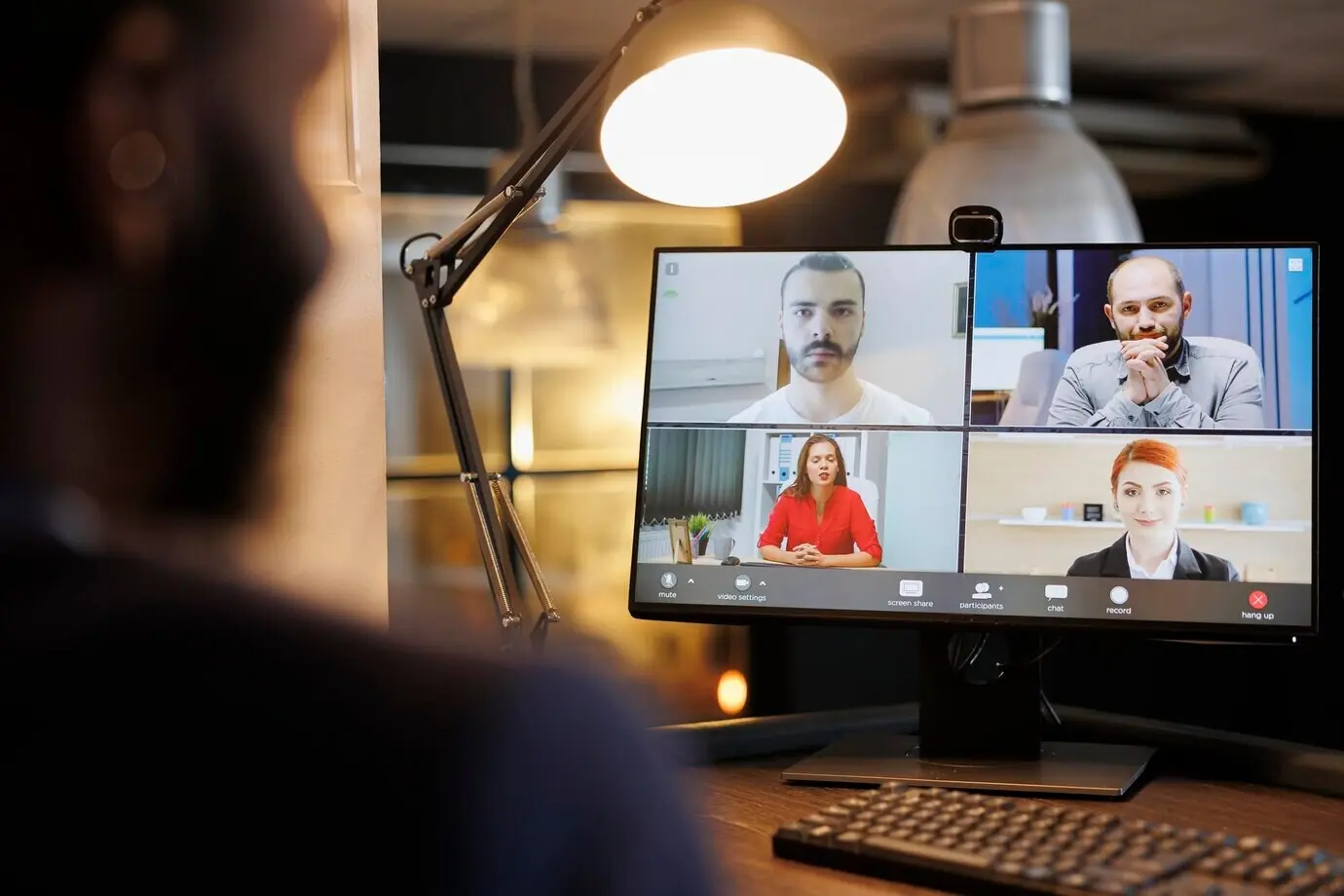
Designate one channel as command, pin a header with goals, and require threaded replies for evidence. Adopt concise call signs for roles, minimize side chatter, and use agreed emojis for attention. Quick, readable updates beat elegant prose. After drills, export transcripts to harvest lessons and sharpen future playbooks.

Docs That Clarify, Not Confuse
Runbooks must guide action under pressure, not impress reviewers. Use short steps, screenshots, and decision checkpoints. Flag assumptions bold, date every example, and archive outdated paths. During drills, time how long newcomers find answers. If search fails once, refactor immediately. Share one messy doc, and we will suggest ruthless trims.
Whiteboards and Visual Streams
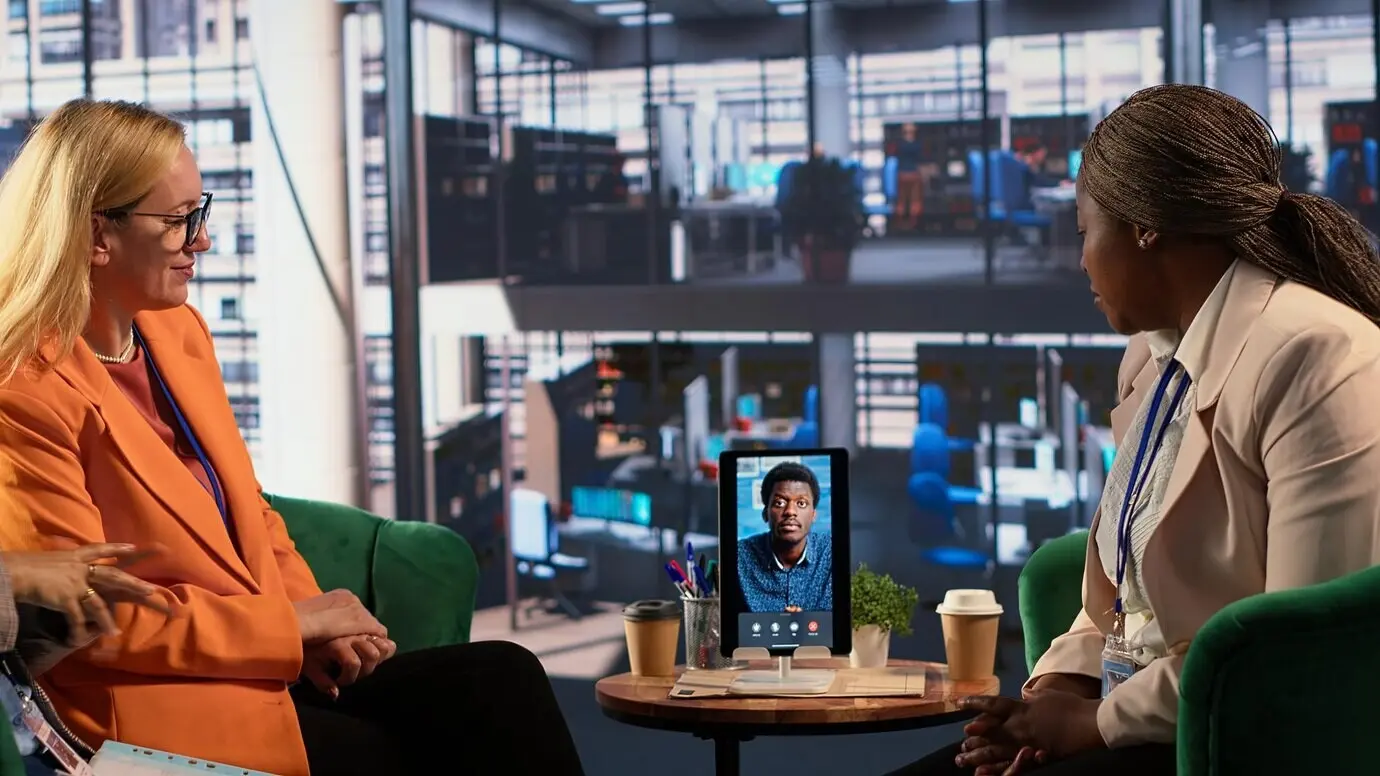
Complex dependencies resolve faster when people see them. Add quick diagrams, swimlanes, or sequence sketches while narrating aloud. Encourage snapshots into the record so late joiners catch up visually. Do not aim for art, aim for shared insight. Submit a process you struggle to explain, and we will diagram alternatives.

Clear SOS and All-Clear Patterns
Agree on a short alert phrase, a severity scale that anyone understands, and an explicit all-clear format. Consistency reduces adrenaline spikes and rumor cascades. Test the pattern monthly so muscle memory holds. Drop your current severity labels, and we will help translate them into user-centered language that travels.

Escalation Trees That Actually Help
Escalations should unlock options, not ping more people awake. Build trees by capability, not rank, and include office hours, backups, and preferred contact methods. Validate every branch in rehearsal. When a path fails, fix the map immediately. Share a confusing branch, and the community can co-design a cleaner route.
Asynchronous Updates Without FOMO
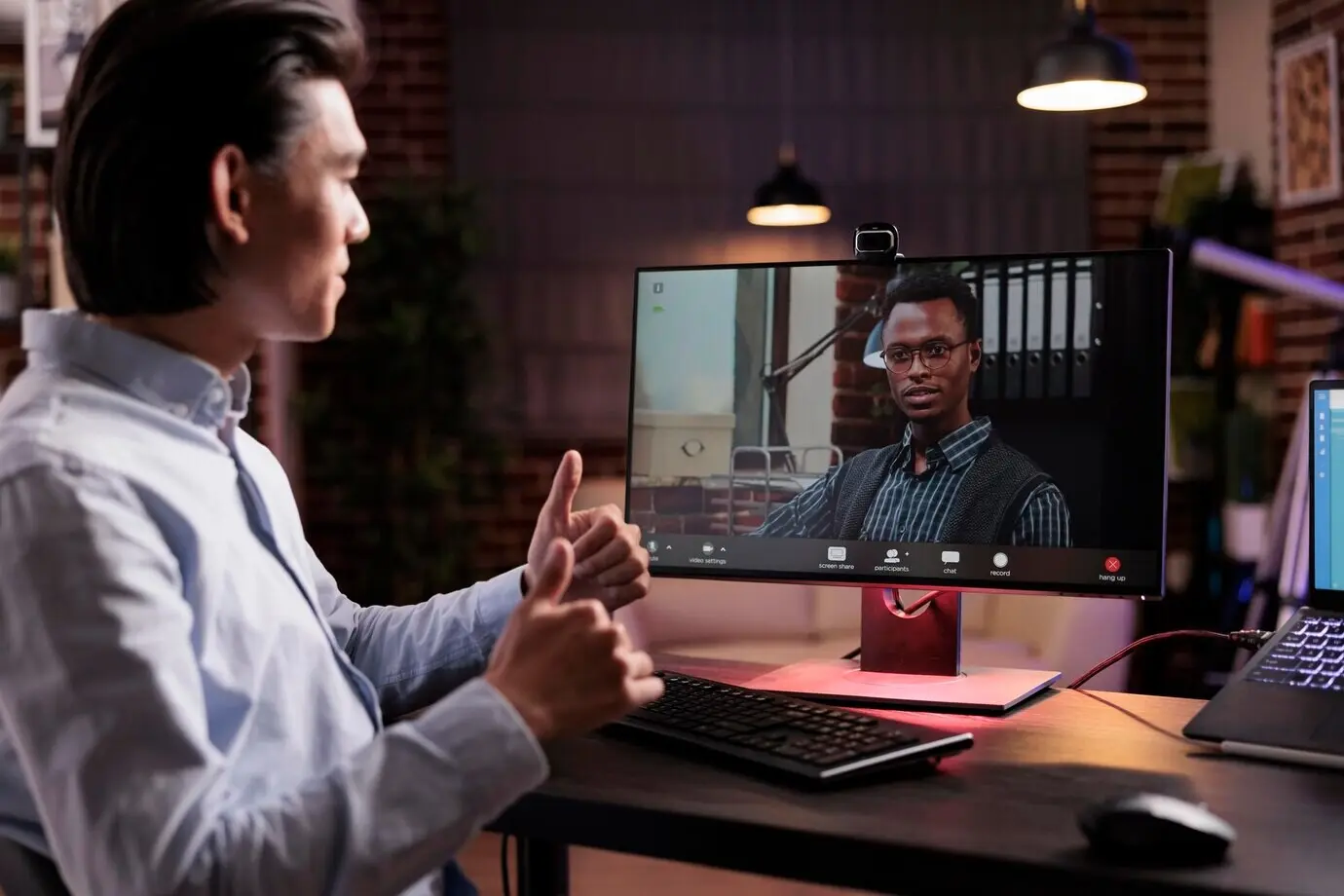
Establish predictable update intervals, pinned summaries, and a digest for sleepers. People should rejoin without fear of missing critical decisions. Encourage questions in threads, link decisions to evidence, and archive resolved tangents. If your team dreads catching up, your cadence is wrong. Describe your update rhythm, and we will tune it together.